
At 360 Dermatology, we care for patients of all ages — children, teenagers, adults and seniors — managing a wide range of skin, hair and nail conditions.
From common rashes to complex autoimmune disease and skin cancer, our focus is safe, effective and evidence-based treatment.
Our approach is professional yet approachable. We believe in educating patients and taking the time to explain conditions and treatments in clear, friendly language. Every patient’s skin is unique, and we are committed to addressing your specific concerns with a holistic, caring approach.
Medical Dermatology
From everyday rashes to complex skin problems, 360 Dermatology manages the full spectrum of general skin conditions.
- Acne – pimples, cystic acne and acne scarring
- Rosacea – persistent facial redness and visible blood vessels
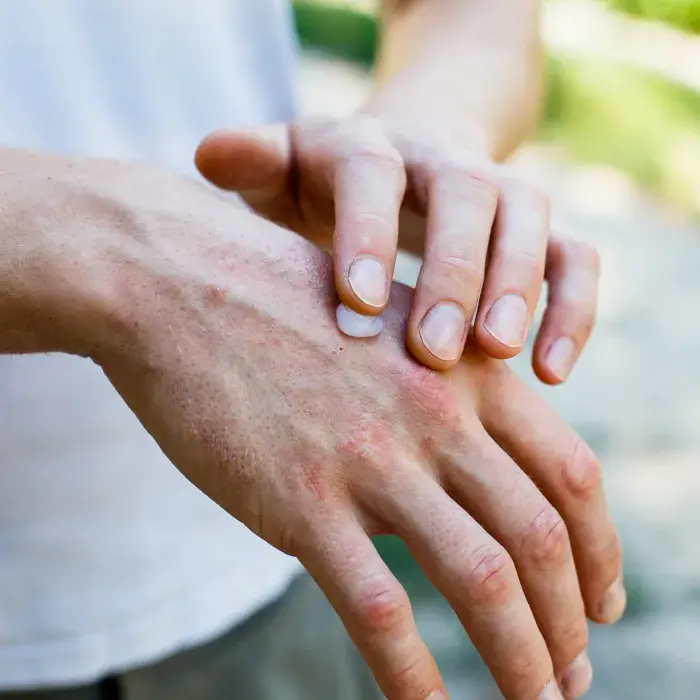
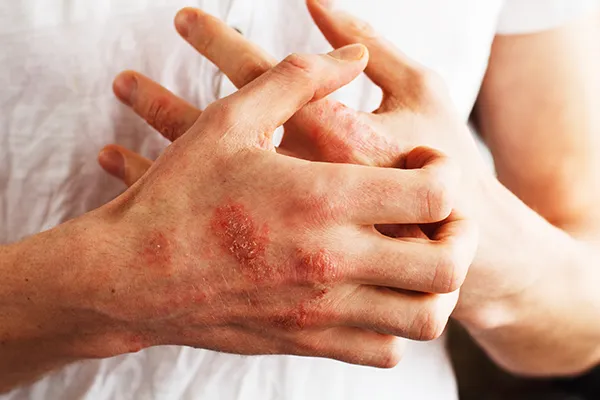
- Eczema and dermatitis – itchy, inflamed skin, including atopic and contact dermatitis
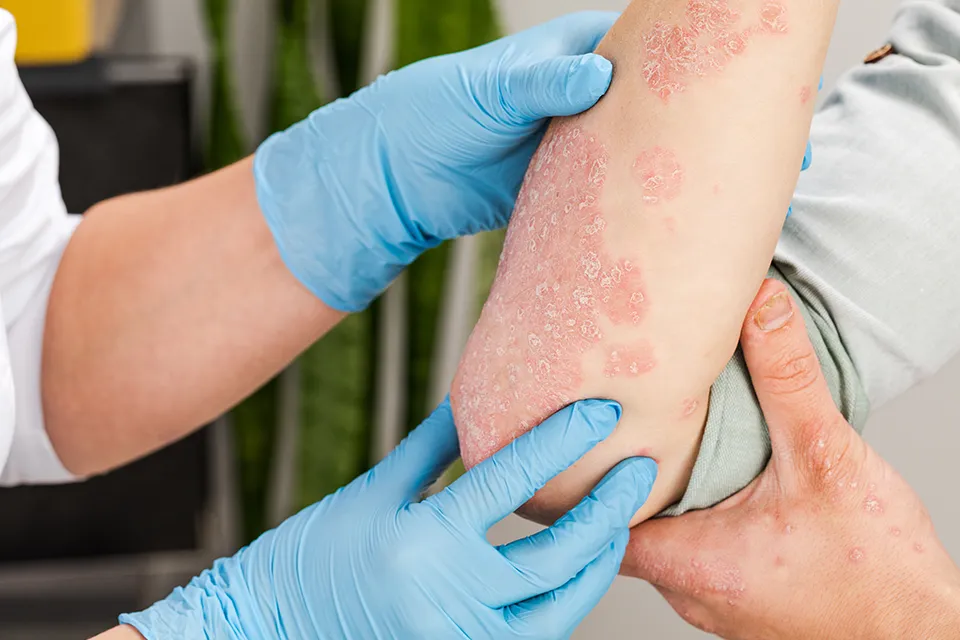
- Psoriasis and lichen planus – chronic inflammatory conditions affecting skin, scalp and nails
- Seborrhoeic dermatitis – flaky or greasy scaling, commonly on the scalp and face
- Hives (urticaria) and angioedema – recurrent itchy welts or deeper swelling
- Benign skin growths – non-cancerous lumps such as skin tags, cysts and lipomas
- Hyperhidrosis – excessive sweating affecting hands, feet or underarms
- Photosensitivity disorders – rashes triggered or worsened by sunlight
- Genital dermatoses – inflammatory skin conditions of the genital area
- Pregnancy-related dermatoses – skin conditions that develop or flare during pregnancy
- Autoimmune blistering diseases – such as pemphigus and bullous pemphigoid
- Connective tissue diseases affecting the skin – including lupus and dermatomyositis
- Cutaneous lymphomas – including mycosis fungoides
Skin Checks & Skin Cancer
Australia has one of the highest rates of skin cancer in the world, with around two in three Australians diagnosed with skin cancer by the age of 70. At 360 Dermatology, we place strong emphasis on regular skin checks and early detection.
Early detection saves lives. Regular checks remain the most effective prevention strategy.
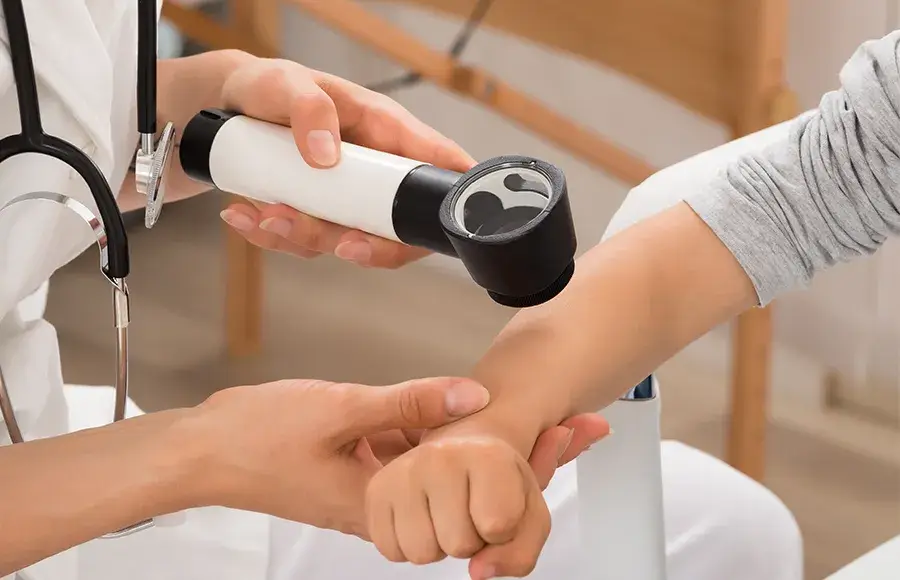
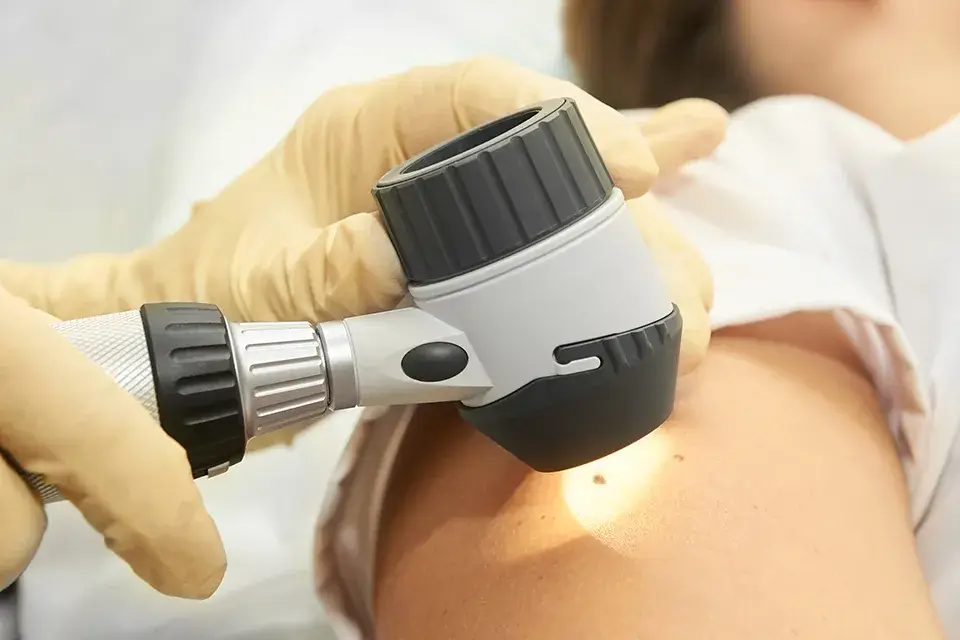
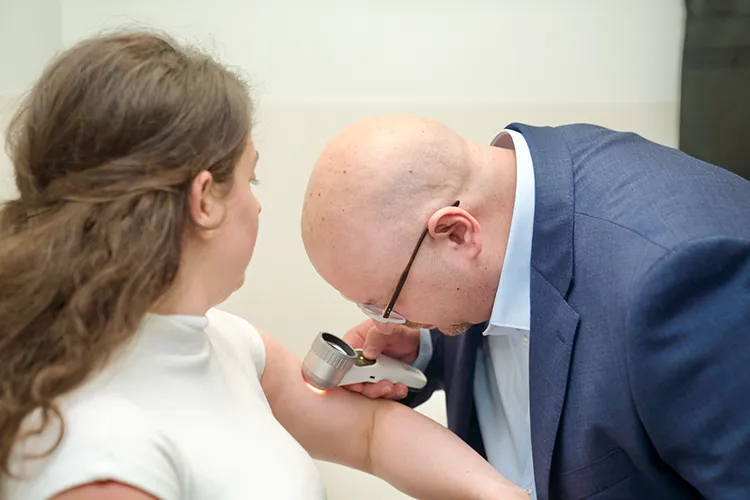
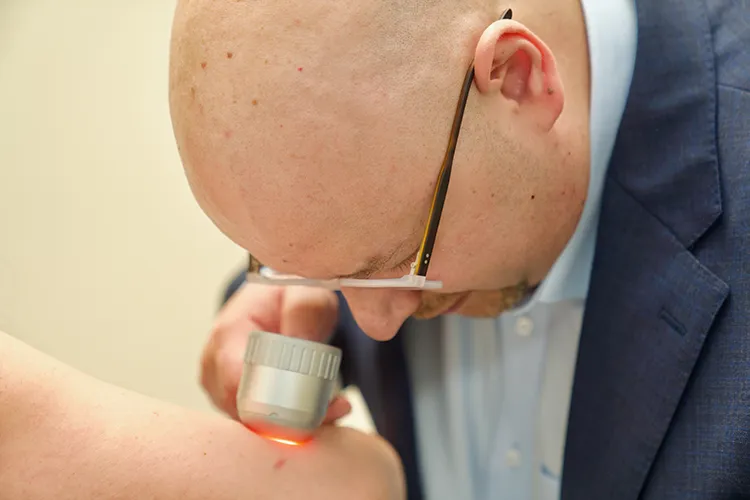
During a skin check, your skin is examined thoroughly from head to toe to identify any suspicious moles or lesions. If a skin cancer is detected early, treatment is usually simpler and more effective.
We provide both medical and surgical management of skin cancers, depending on the type and stage.
- Full body skin checks and mole assessment
- Dermoscopy and digital monitoring
- Melanoma – diagnosis, surgical removal and structured follow-up
- Basal cell carcinoma (BCC)
- Squamous cell carcinoma (SCC)
- Actinic keratoses (sun damage)
- Field treatments for chronically sun-damaged skin
- Surgical excisions, cryotherapy, curettage and cautery
- Monitoring of high-risk or changing moles
Paediatric Dermatology (Children & Teens)
- Cradle cap
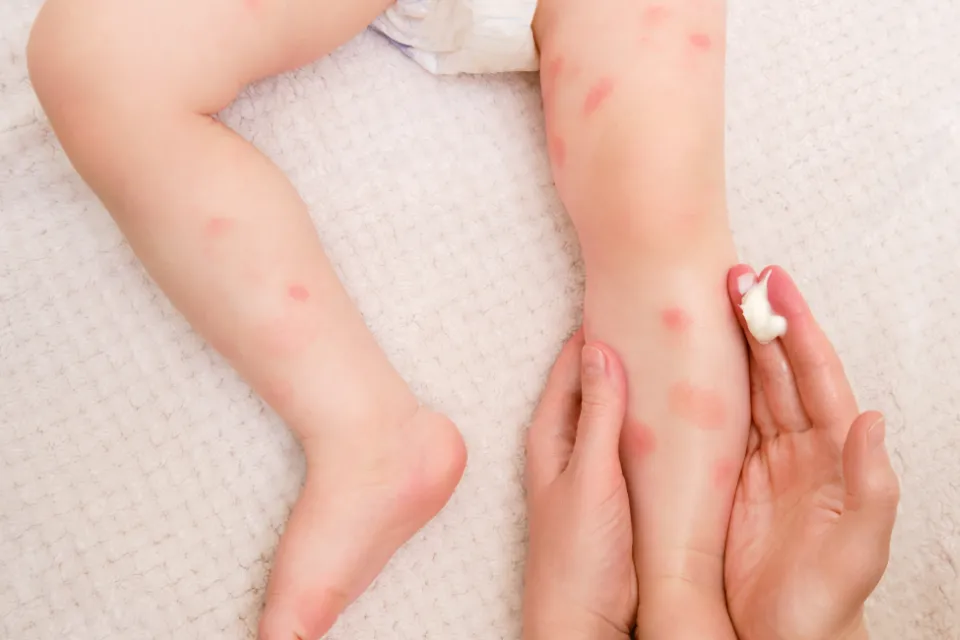
- Nappy rash
- Infantile haemangiomas – benign red birthmarks made up of extra blood vessels
- Port-wine stains and vascular birthmarks
- Congenital melanocytic naevi – moles present at birth
- Eczema (atopic dermatitis)
- Impetigo (school sores)
- Viral exanthems – widespread rashes caused by viral infections
- Hand, foot and mouth disease
- Warts and molluscum contagiosum
- Ringworm (tinea)
- Paediatric vitiligo
- Mastocytosis – rare condition causing skin redness, swelling or itching due to mast cell buildup
- Ichthyosis – rare inherited condition causing very dry, thickened or scaly skin
- Epidermolysis bullosa (EB) – rare genetic condition causing fragile, blistering skin
Hair & Scalp Disorders
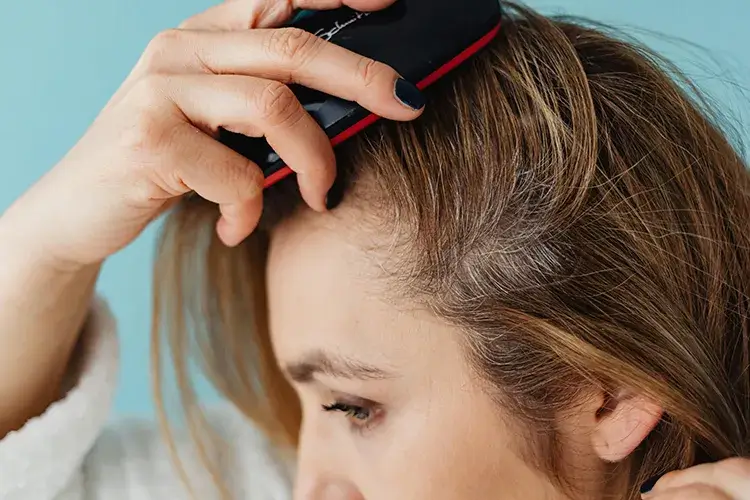
- Male and female pattern hair loss – gradual hereditary thinning that can begin at various ages
- Alopecia areata – an autoimmune condition causing sudden patchy hair loss
- Telogen effluvium – temporary excessive hair shedding, often triggered by stress, illness or hormonal change
- Scarring alopecias – inflammatory hair loss conditions that can lead to permanent hair reduction if untreated
- Trichotillomania – hair loss caused by repetitive pulling or twisting of the hair
- Traction alopecia – hair loss caused by repeated tension from tight hairstyles
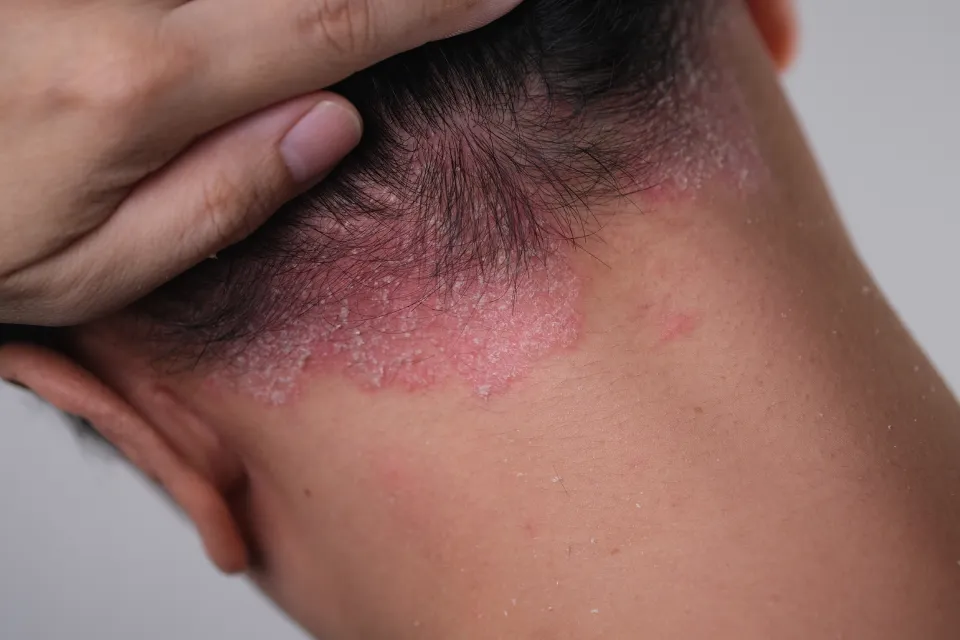
- Scalp psoriasis and seborrhoeic dermatitis – chronic inflammatory scalp conditions causing redness, scaling and irritation
- Scalp infections
Skin Infections
- Bacterial infections – impetigo, boils, cellulitis
- Viral infections – cold sores, shingles, warts
- Fungal infections – athlete’s foot, ringworm, nail infections
- Parasitic infections – scabies, head lice
- Eczema herpeticum – a viral infection that develops on areas affected by eczema
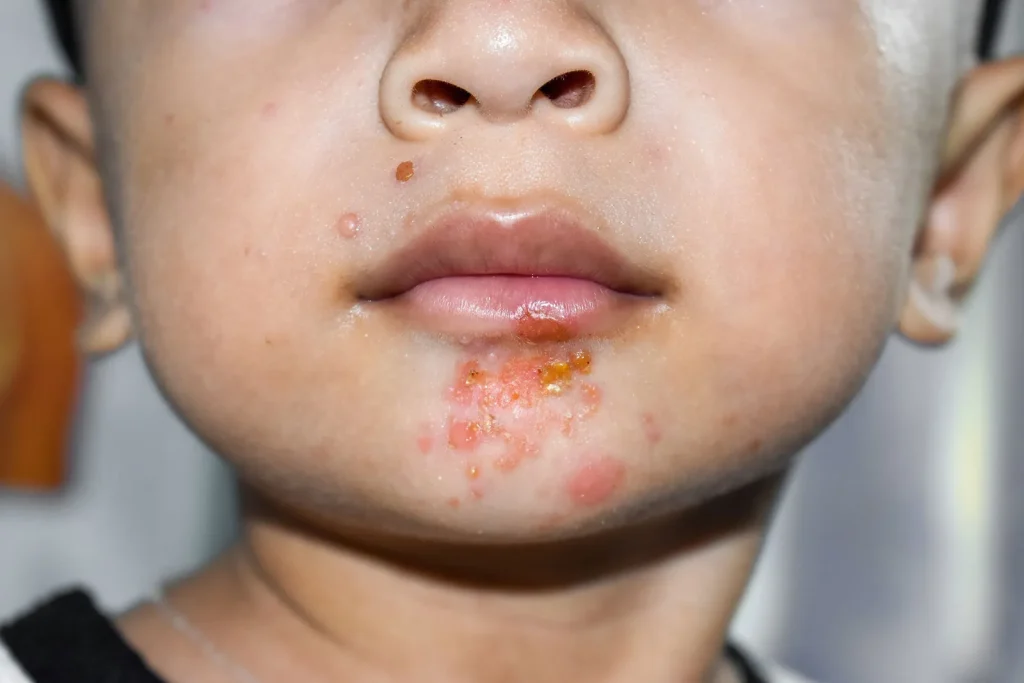
Pigmentation & Colour Changes
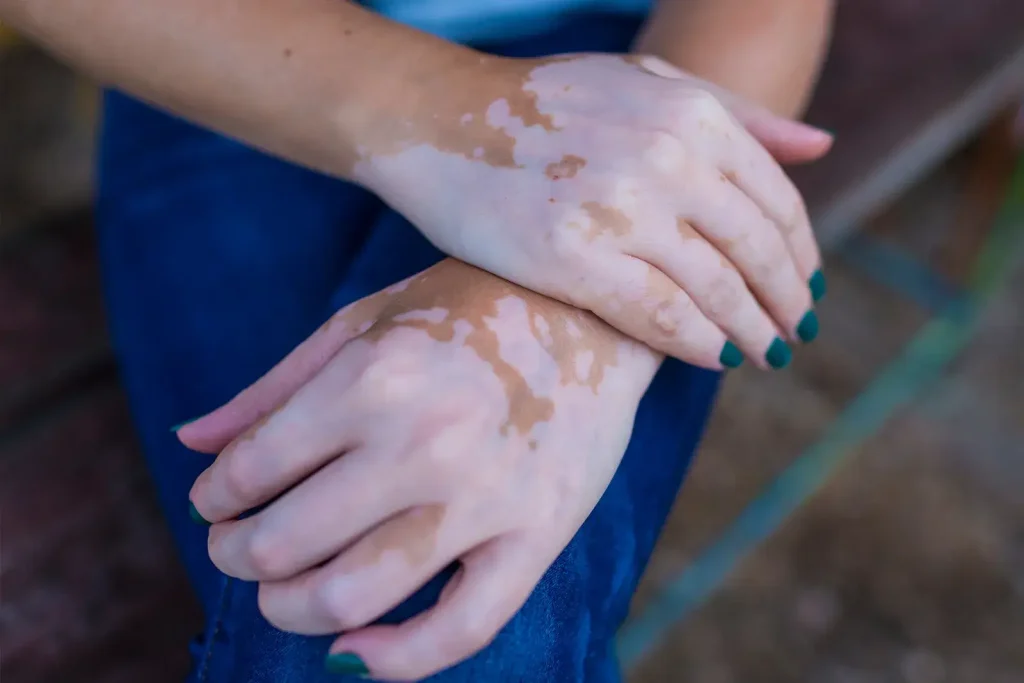
- Vitiligo – loss of skin pigment causing white patches
- Melasma – patchy facial pigmentation often influenced by hormones and sun exposure
- Post-inflammatory hyperpigmentation – dark marks left after inflammation or skin disease
- Post-inflammatory hypopigmentation – lighter areas of skin following inflammation or skin disease
- Freckles and sun spots
- Pigmentary naevi and dermal melanocytosis – birthmarks or deeper pigment spots such as naevus of Ota or Ito
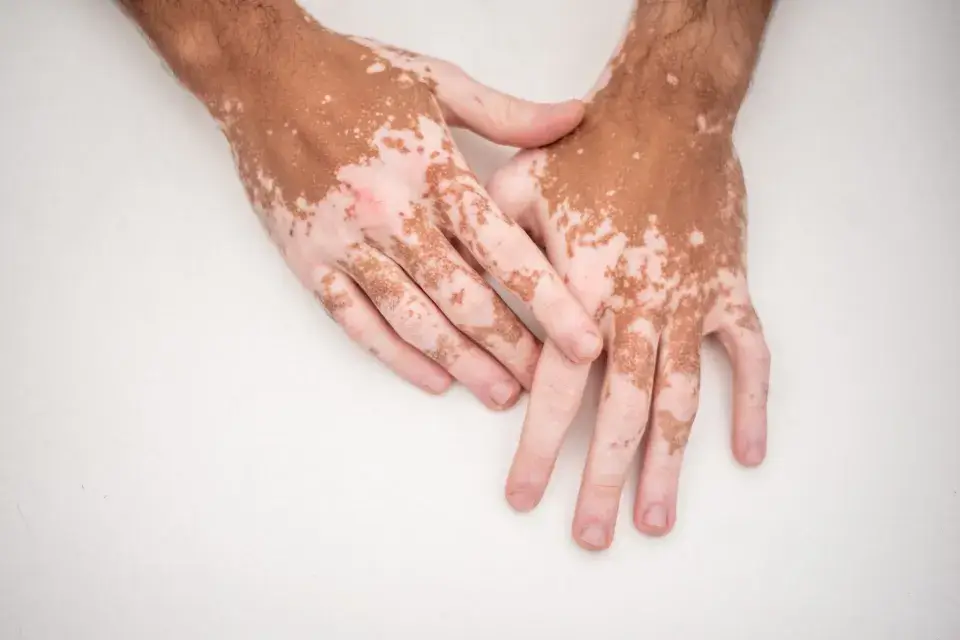
Lumps, Bumps & Scars
- Skin tags – small soft benign skin growths
- Seborrhoeic keratoses – common age-related rough brown growths (often called “age spots” or “senile warts”)
- Epidermoid and pilar cysts – slow-growing lumps under the skin
- Lipomas – benign fatty lumps beneath the skin
- Dermatofibromas – small firm harmless skin growths often found on the legs
- Keloids and hypertrophic scars – raised scars caused by excessive collagen during healing, often developing after trauma, surgery, burns or piercings
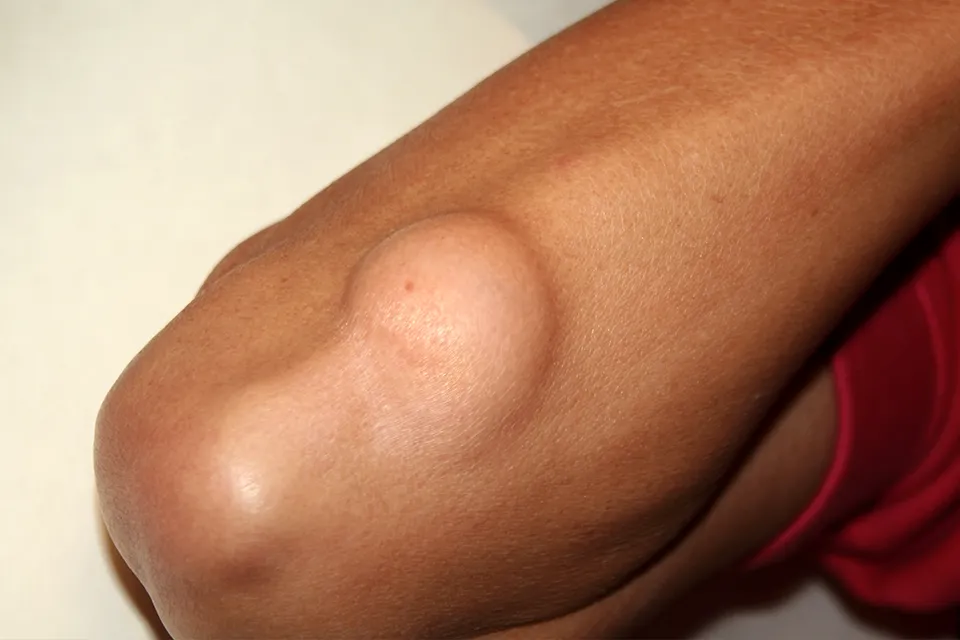
Nail Disorders
- Fungal nail infections – thickened, discoloured brittle nails
- Nail psoriasis
- Ingrown toenails
- Brittle or splitting nails
- Melanonychia (pigmented nail streaks) – dark lines within the nail that require specialist assessment to exclude melanoma
- Nail tumours – unusual nail growths requiring specialist evaluation
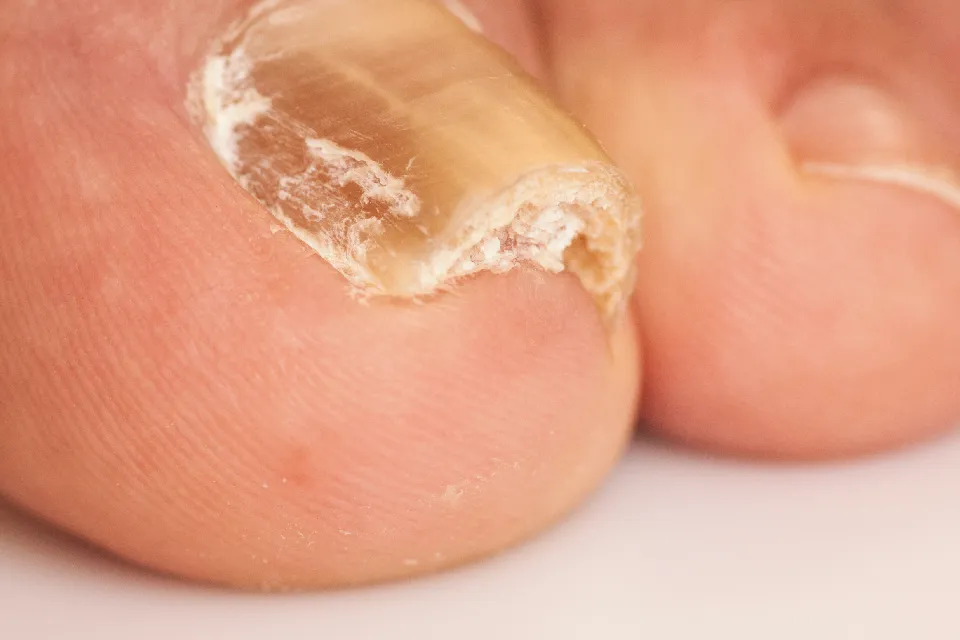
Oral & Mucosal Disorders
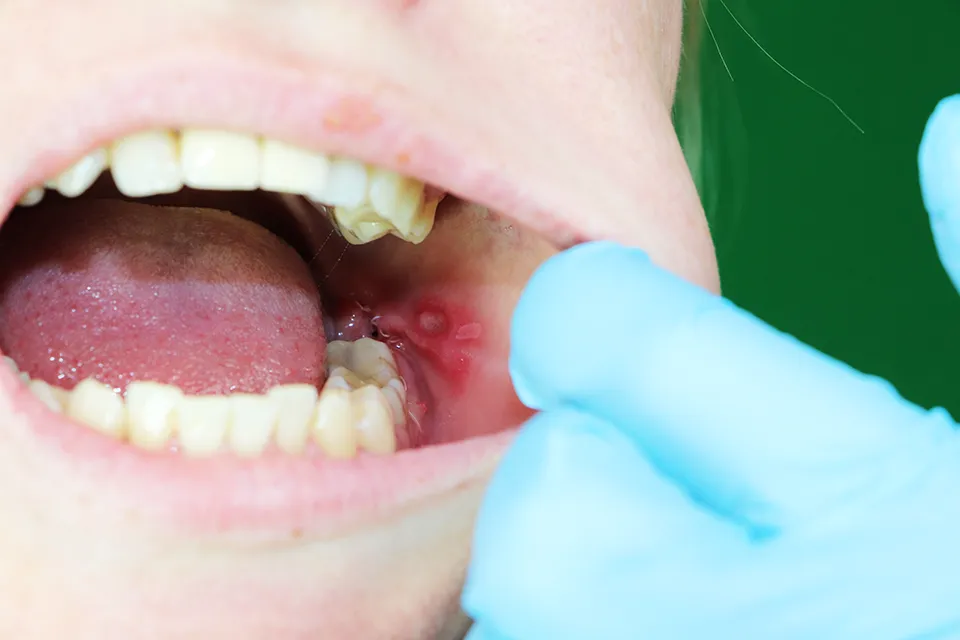
- Recurrent aphthous ulcers – recurring painful mouth ulcers (“canker sores”)
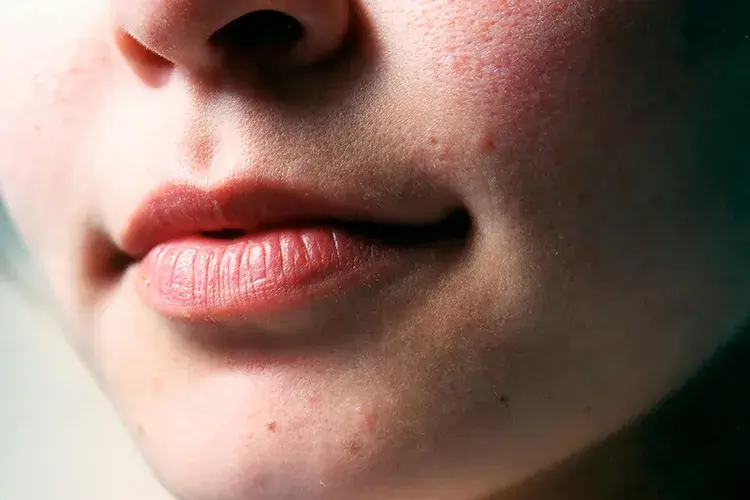
- Oral lichen planus – chronic inflammatory condition causing white patches or soreness inside the mouth
- Recurrent herpes simplex – cold sores affecting the lips or oral area
- Erythema multiforme
- Autoimmune blistering disorders – rare conditions such as pemphigus that can affect both the skin and the mouth
- Pigmented oral lesions
Cosmetic Dermatology
- Anti-wrinkle injections (botulinum toxin) – treatment to soften dynamic facial lines
- Dermal fillers – volume restoration for lines and contour changes
- Cosmetic removal of benign moles and skin tags
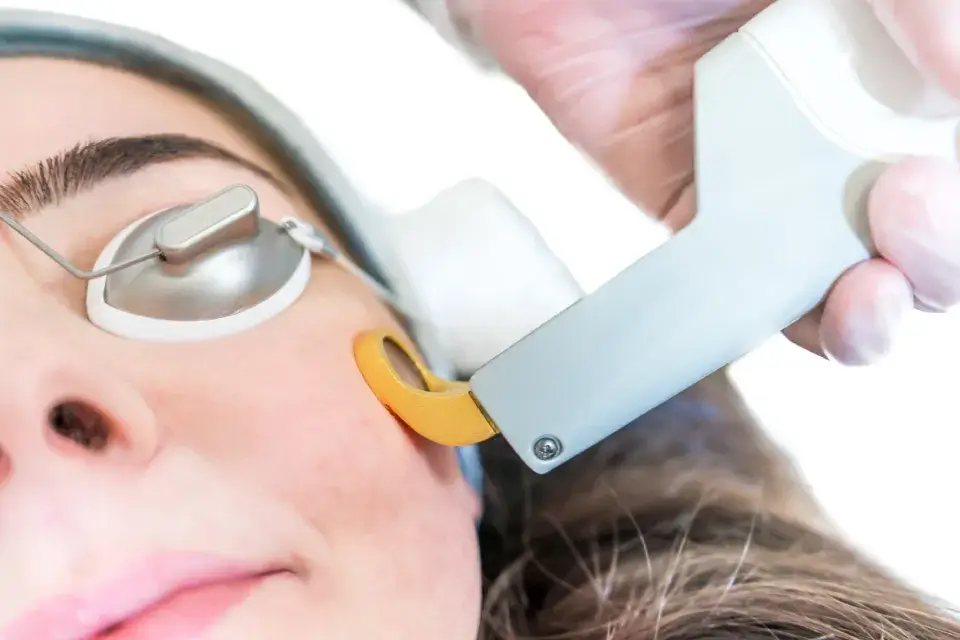
- Acne scar and pigmentation treatments – targeted procedures to improve skin texture and tone
- Personalised skincare and medical-grade advice
Ready to get started?
Book your dermatologist appointment
Skin, hair and nail concerns can be complex, and specialist assessment can provide clarity and reassurance. At 360 Dermatology, each consultation is focused on understanding your condition and developing a personalised treatment plan.